
UJI Matcha: The “Green Gold” from Kyoto’s Secret Garden & Marukyu Koyamaen’s Magical Touch
In the world of matcha, UJI isn’t just a name—it’s a badge of honor. Picture this: misty tea fields hugged by Kyoto’s mountains, where every sip feels like a sip of history. Today, we’re diving into why UJI matcha is the OG of green tea, and why brands like Marukyu Koyamaen uji matcha powder are turning it into a global sensation.
UJI: Where Nature & Tradition Craft the Perfect Matcha
Climate & Soil: Mother Nature’s Recipe
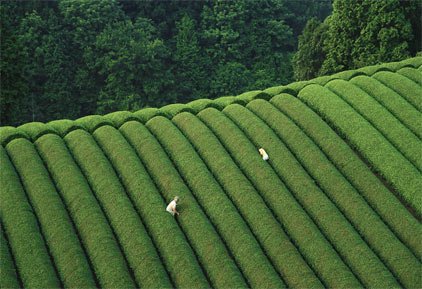
Nestled in Kyoto’s southern basin, UJI’s climate is like a chef’s dream kitchen. Cool temperatures, rainy seasons, and volcanic soil rich in minerals create the ultimate tea-growing conditions. The result? Matcha with 30% more amino acids (hello, umami!) and way less bitterness than your average green tea.
Shade-Grown Magic: The Art of Covering
UJI’s secret weapon? “Oishita” cultivation—tea plants covered with bamboo screens or black nets 20-40 days before harvest. This cuts sunlight by 90%, forcing the leaves to pump out chlorophyll and L-theanine (the stuff that makes matcha creamy and sweet). Take Marukyu Koyamaen’s “Gokou” matcha: picked on day 28 post-shading, only the top two leaves and a bud are hand-harvested for the ultimate flavor balance.
Stone-Ground Perfection: Slow & Steady Wins the Race
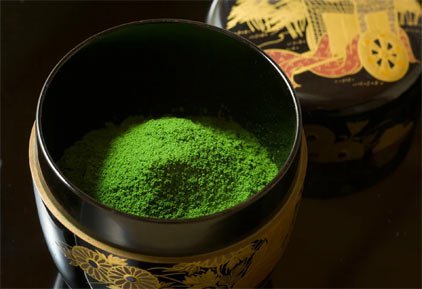
Top-tier UJI matcha is measured in “mesh” (think: super-fine powder). The gold standard? 1,000+ mesh (finer than a human hair!). Marukyu Koyamaen still uses ancient stone mills—30cm granite wheels grinding at 16 RPM to avoid heat damage. Their 10 master millers adjust the stones by hand, producing just 40g/hour. The result? Matcha that dissolves like silk, foams like whipped cream, and retains 90% of its antioxidants.
Marukyu Koyamaen: The Michelin Star of Matcha
19 National Championships: The GOAT of Green Tea
Since 1861, Marukyu Koyamaen has dominated Japan’s tea competitions (19 gold medals and counting!). Their “Gokou” matcha is the holy grail for tea ceremony masters. It’s all about balance: a hint of bitterness followed by a wave of sweetness, with a foam that lasts longer than your morning coffee. Perfect for lattes, baking, or just sipping straight.
From Farm to Cup: Obsessive-Compulsive Quality
Marukyu Koyamaen’s tea gardens are organic, pesticide-free, and trimmed to 30cm for maximum leaf juiciness. After steaming, drying, and de-veining, the leaves hit the stone mills. Packaged in vacuum-sealed foil, their matcha stays fresh for 3-4 weeks post-opening (no sad, clumpy powder here!).
Everyday Luxury: Matcha for the Masses
Not into tea ceremonies? No prob. Marukyu Koyamaen’s “Aosa” and “Wakaba” lines are budget-friendly yet still crazy good. “Aosa” (1,200 mesh) is perfect for ice cream and cakes, while “Wakaba”’s subtle bitterness makes it a coffee shop fave. Even Starbucks’ Matcha Frappuccino uses their powder (though we recommend trying it unsweetened first!).
Marukyu Koyamaen Uji Matcha Powder From Kyoto to Your Kitchen
UJI matcha is everywhere now—from Hollywood’s wellness scene to Blue Bottle Coffee’s NYC stores. Marukyu Koyamaen’s “Gokou” sells for $26.99/40g on Yamibuy and still flies off the shelves. Their Blue Bottle collab? A TikTok hit. Why? Because UJI matcha isn’t just tea—it’s terroir, tradition, and time in a cup. As the 10th-gen owner says, “Matcha isn’t a product. It’s a gift from the land.”
Final Sip
Next time you order a matcha latte, remember: that vibrant green hue comes from UJI’s farmers and artisans. From shade-growing tricks to stone-mill precision, Marukyu Koyamaen turns every sip into a celebration of Japanese craftsmanship. So close your eyes, take a sip, and let the umami and sweetness dance on your tongue—it’s nature and history, bottled in green.
P.S. Tag a matcha lover who needs to try Marukyu Koyamaen ASAP!
