For entrepreneurs and construction material investors, an Autoclaved Aerated Concrete (AAC) block plant represents a promising venture amid the global push for green building materials. However, the decision to build such a plant hinges on one critical question: is the project feasible, and how long will it take to turn a profit? This guide breaks down the core factors of AAC block plant feasibility and provides actionable strategies to boost return on investment (ROI).
1. Pre-Investment Feasibility: Lay the Foundation for Low-Risk Launch
Feasibility assessment is the first and most crucial step to avoid costly mistakes. It covers four non-negotiable dimensions that directly determine the project’s viability.
1.1 Site & Policy Feasibility
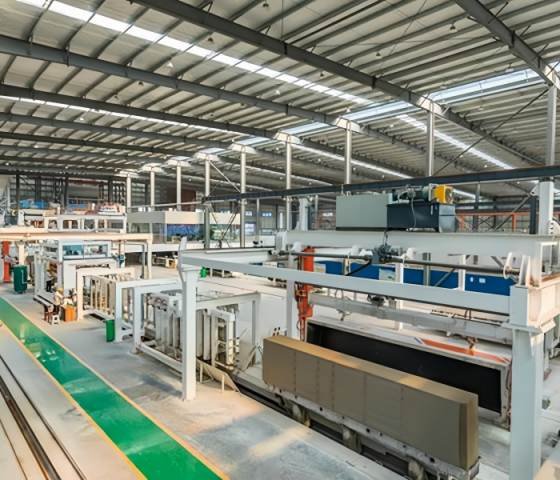
Location is a make-or-break factor for an AAC block plant. First, the site must be close to raw material sources (sand, lime, fly ash) to cut transportation costs—ideally within a 50-kilometer radius. Second, check local land use policies and environmental regulations: many regions prioritize green building material projects and offer tax incentives or simplified approval processes for AAC plants. Third, ensure convenient logistics: proximity to construction hubs or major highways will reduce delivery costs for finished blocks and expand your market reach. For investors evaluating project locations, partnering with a specialized facility for eco-friendly building material production can simplify site planning and policy compliance.
1.2 Cost Feasibility: Calculate the Total Investment Threshold
Investors need a clear picture of upfront and ongoing costs to avoid capital gaps. The total initial investment varies by production scale:
- A small-scale plant (5,000–10,000 m³ monthly capacity) requires $300,000–$500,000, covering basic equipment, factory construction, and initial raw material stock.
- A medium-scale plant (15,000–30,000 m³ monthly capacity) costs $800,000–$1.2 million, with automated production lines and waste heat recovery systems.
- Ongoing costs include raw material procurement (accounting for 40–50% of total operating costs), energy bills, labor, and maintenance fees. Opting for automated equipment tailored for block fabrication can cut labor costs by 30% compared to semi-manual operations, while improving production consistency and reducing long-term maintenance expenses.
1.3 Market Feasibility: Validate Demand Before Investment
No plant can survive without stable market demand. Conduct local market research to answer three key questions:
- What is the current demand for AAC blocks? Focus on infrastructure projects, residential construction, and prefabricated building developers—these are the biggest buyers.
- Who are the competitors? Analyze their pricing, product quality, and market share to identify gaps (e.g., lack of high-strength AAC blocks or slow delivery services).
- What are the future demand trends? Align with regional construction plans—for example, areas with large-scale affordable housing projects will have sustained demand for AAC blocks in the next 3–5 years.
2. ROI Maximization: Shorten Payback Period & Boost Long-Term Profits
The average payback period for an AAC block plant is 2–3 years for medium-scale facilities and 3–4 years for small-scale ones. To shorten this cycle and maximize profits, focus on these three strategies.
2.1 Optimize Production Efficiency to Reduce Unit Cost
Lowering the cost per cubic meter of AAC blocks directly increases profit margins. Two effective ways to achieve this are:
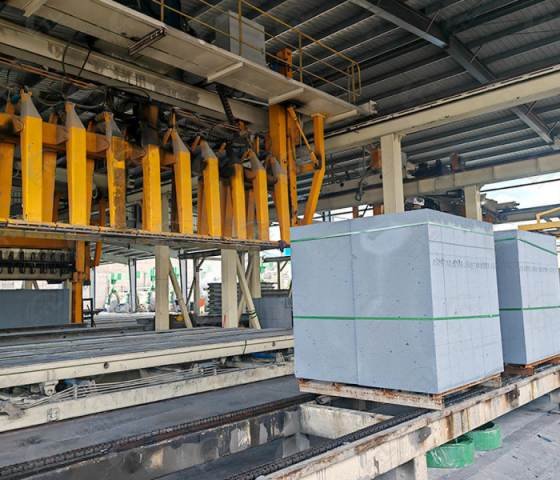
- Adopt closed-loop production systems: Recycle 100% of production waste (slurry, offcuts, defective blocks) back into the mixing process, eliminating waste disposal costs and reducing raw material consumption by 5–8%.
- Invest in energy-saving equipment: Equip autoclaves with heat recovery systems to reuse waste heat for preheating raw materials—this can cut energy costs by 25–30% and lower the unit cost of AAC blocks significantly.
2.2 Diversify Product Lines to Expand Revenue Streams
Don’t limit your business to standard AAC blocks. Diversify into high-value products to capture premium market segments:
- Produce custom-sized AAC blocks for prefabricated buildings—these command 15–20% higher prices than standard blocks.
- Develop AAC panels for exterior walls, which have strong demand in high-rise residential and commercial projects due to their excellent insulation and fire resistance.
- Offer value-added services such as on-site technical guidance for block installation—this builds customer loyalty and increases repeat orders.
2.3 Control Risks to Ensure Stable Cash Flow
Unforeseen risks can delay payback and erode profits. Mitigate them with proactive measures:
- Lock in raw material supply contracts: Sign long-term agreements with local suppliers to avoid price fluctuations—this stabilizes the biggest variable cost in production.
- Stay updated on policy changes: Follow environmental and building material standards closely. For example, obtaining green building certifications (LEED, BREEAM) for your products can qualify you for government procurement projects with higher profit margins.
- Plan for scalable production: Choose modular equipment for your plant. When demand grows, you can add extra mixers or autoclaves without overhauling the entire production line, avoiding overinvestment in the early stages.
Final Thoughts
Investing in an AAC block plant is not just about building a production facility—it’s about making a data-driven decision based on thorough feasibility analysis. By validating site, cost, and market feasibility upfront, and optimizing production, product lines, and risk control post-launch, you can shorten the payback period and secure steady profits. In an era where green building is no longer a trend but a requirement, a well-run AAC block plant is not just a profitable venture—it’s a sustainable one.